First Principles IAS · Current affairs
The monthly magazine, July 2026 · Science and Technology › Drugs, diagnostics and medical technology
Printed on · firstprinciplesias.com/current-affairs
GLP-1 drugs: semaglutide goes generic in India, and the first quality test
LeadPrelims and Mains9 Jul 2026
Why in news
- On 9 July 2026 Dr Reddy's Laboratories paused supplies of its generic semaglutide in India and Canada after batches failed specification because of a problem with the active ingredient, and Torrent Pharmaceuticals recalled batches of a pen that Dr Reddy's makes for it.
- It was the first quality failure in a market that did not exist four months earlier.
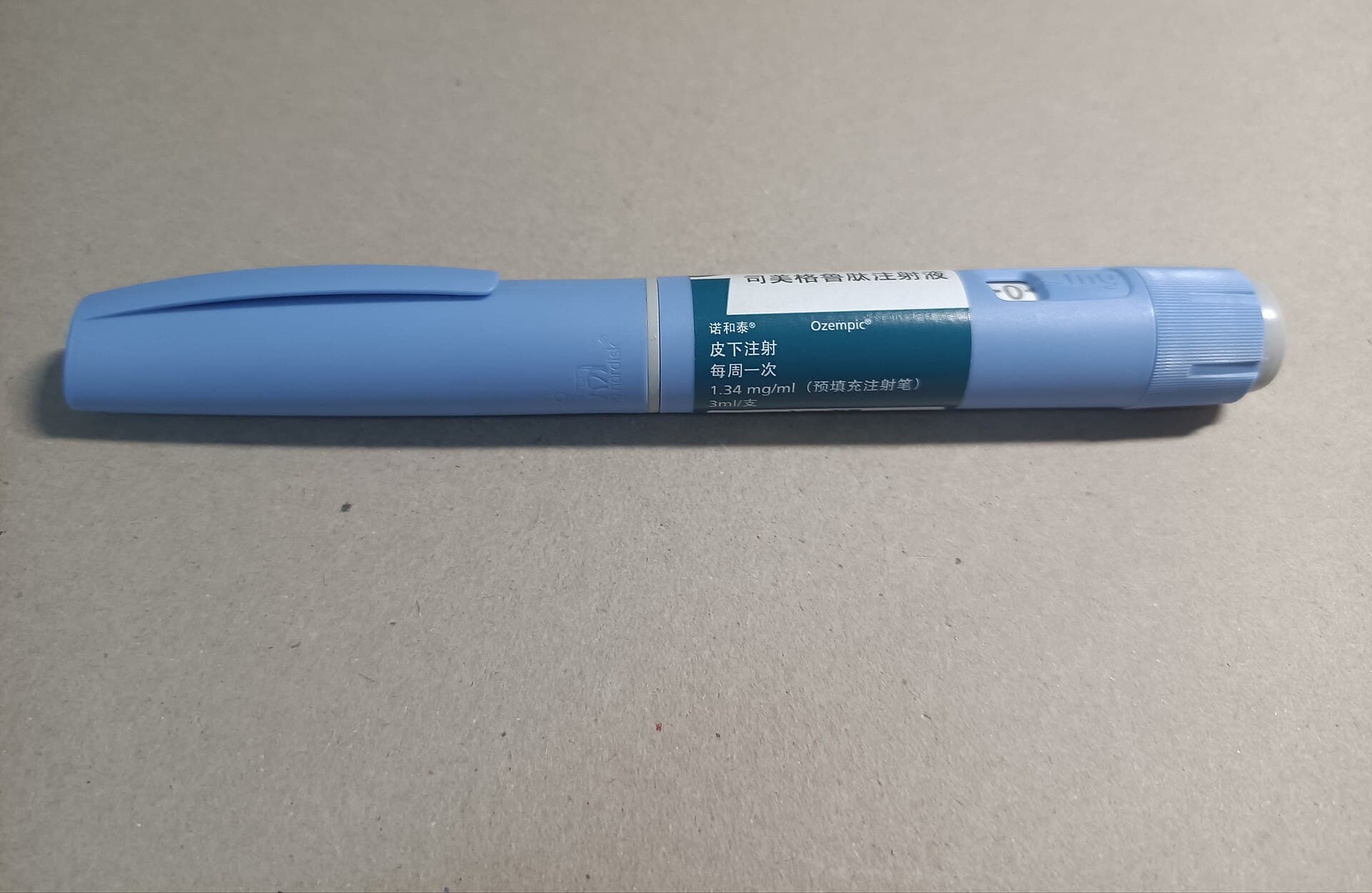
- Semaglutide, the molecule behind Ozempic and Wegovy, came off patent in India on 20 March 2026, and within a day a dozen Indian companies had launched it at a fraction of the originator's price.
- The July recall is the first test of whether the cheap version is also the safe one.
- 20 March 2026expiry of Novo Nordisk's compound patent on semaglutide in India; launches on 21 March
- About 12companies with a launch by mid year, selling some 20 brands
- From about ₹1,290 a monththe cheapest generic injectable, in vials; the originator's starting dose cost ₹5,660 for four weeks after Novo's own price cut of 1 April
- 50 per centthe generics' share of the semaglutide market by value in April, and 137,000 of 170,000 injectable units sold
- 101.3 millionIndians with diabetes (ICMR-INDIAB, 2023); 30.7 per cent of women and 27.3 per cent of men aged 15 to 49 overweight or obese (NFHS-6)
Background
- GLP-1, glucagon like peptide 1, is a hormone the gut releases after a meal. It tells the pancreas to release insulin when glucose is high, suppresses glucagon, slows the emptying of the stomach and acts on the appetite centres of the brain to produce satiety.
- A GLP-1 receptor agonist is a molecule that mimics the hormone. Semaglutide is a modified version of GLP-1 with a fatty acid chain that binds to albumin in the blood, so that it lasts a week instead of minutes and can be injected once weekly, or taken daily as a tablet.
- Novo Nordisk sold it in India as Ozempic for type 2 diabetes, Wegovy for obesity and Rybelsus as a tablet; the drugs became the world's best selling medicines because they produce weight loss of a size no earlier drug had.
The patent cliff
- Sun Pharma got the Drugs Controller General of India's approval for its generic, Noveltreat, on 23 January 2026, for chronic weight management at a maintenance dose of 2.4 mg a week; Zydus, Alkem, Glenmark and others followed, each with Indian trials behind the approval.
- Novo Nordisk sued Dr Reddy's for infringement. A single judge refused an injunction on 2 December 2025, and on 9 March 2026 a Division Bench of the Delhi High Court dismissed Novo's appeal: Dr Reddy's had raised a credible challenge to the patent's validity under Section 64 of the Patents Act, since five of the inventors were common to an earlier genus patent from whose teachings semaglutide would appear obvious to a person in the know. A credible challenge is a defence under Section 107, so no injunction could issue.
- Eleven days later the patent expired anyway, and on 21 March a dozen companies launched, in pens and vials, for diabetes and for weight.
- Novo answered with price: from 1 April its starting doses cost ₹1,415 a weekly shot. Its tablet, Rybelsus, had no announced cut, and generic tablets had about half of oral units but under a third of oral value by June.
The July test
- Dr Reddy's found that batches of its semaglutide failed specification for reasons traced to the active pharmaceutical ingredient, stopped supplies in India and Canada, and told investors it expected to resume by November.
- Torrent, whose Semalix pen is made by Dr Reddy's, recalled selected batches on the same day.
- A peptide like semaglutide is harder to make than a small molecule: it is built amino acid by amino acid, and impurities from incomplete chains or the fatty acid attachment are the usual failure. The recall shows the market's regulators and manufacturers catching such a failure, which is what a drug regulator is for.
Why it matters
- Access: India has the world's largest diabetic population and a rising obesity burden, and the cheapest generic costs less than a quarter of the originator's starting dose even after the originator's own cut.
- Regulation: twelve companies and twenty brands launched in a day, and the Central Drugs Standard Control Organisation's job shifted overnight from approval to surveillance of quality, as the July failure shows.
- Industry: Indian firms are positioned to supply the world as patents fall elsewhere, Canada already among the markets; a quality failure abroad would cost the sector more than one product.
Analysis
- The model working as designed. The patent system gave the originator its term, the courts refused to extend it by injunction when the patent looked weak, a dozen generic makers entered on the day of expiry, and the price fell by a factor of four or more before the originator cut its own.
- No compulsory licence was needed, the instrument students reach for in every access question; patent expiry and competition did the work, which is the first point to make.
- A market built in a day carries a quality problem. The honest reading of the Dr Reddy's pause is that the firm's own testing caught a bad batch and said so, which is the behaviour a regulator should reward, and the July recall is the model being tested rather than failing.
- The policy risk lies in use, not batches. A drug that causes weight loss will be sold to and taken by people for whom it was never trialled, through clinics and online sellers, and surveillance of prescribing is weaker than surveillance of quality.
- For Mains: give the access argument its due, then ask who is watching the use.
The way forward
- Make post marketing surveillance the condition of every generic approval for a peptide drug, with batch testing by the Central Drugs Laboratory in the first year.
- Enforce prescription only sale and the indications on the label, since obesity drugs are the easiest to misuse.
- Add GLP-1 drugs to the National List of Essential Medicines when the generic price settles, so that price control and public procurement follow.
- Use the Indian trial data the approvals generated to run outcome studies in Indian patients, which the originator's trials did not.
Exam lens
- Prelims: GLP-1 is a gut hormone; semaglutide is a GLP-1 receptor agonist given weekly by injection or daily as a tablet; the Indian compound patent expired on 20 March 2026; a credible challenge to validity under Section 64 is a defence under Section 107 of the Patents Act, 1970; the Drugs Controller General of India heads the Central Drugs Standard Control Organisation; generics launched on 21 March 2026.
- Mains: "Patent expiry, not compulsory licensing, is how India's drug prices fall." Discuss with reference to semaglutide, and examine the regulatory challenge a generic market created in a day presents.
Asked before: Prelims 2019 · Mains 2024 GS3 · Mains 2021 GS2
Show the questions
- Prelims 2019: Consider the following statements: 1. According to the Indian Patents Act, a biological process to create a seed can be patented in India. 2. In India, there is no Intellectual Property Appellate Board. 3. Plant varieties are not eligible to be patented in India. Which of the statements given above is/are correct?
- Mains 2024 GS3: What is the present world scenario of intellectual property rights with respect to life materials? Although, India is second in the world to file patents, still only a few have been commercialized. Explain the reasons behind this less commercialization.
- Mains 2021 GS2: "Besides being a moral imperative of a Welfare State, primary health structure is a necessary precondition for sustainable development." Analyze.
Cases to cite
- Novo Nordisk v. Dr Reddy's Laboratories (Delhi High Court, 9 March 2026): a credible challenge to validity defeats an interim injunction; obviousness judged from the genus patent through the person in the know.
- Bayer v. Natco (2012 to 2014): India's only compulsory licence, for sorafenib, the instrument this market did not need.
Connects to
- National Family Health Survey 6: lifestyle disease rises (Science and Technology, July): the obesity and blood sugar figures that make the market.
- Central licensing of cell and gene therapies (Science and Technology, July): the regulator tightening the other end of the drug market in the same month.
- Training on copyrighted work is fair dealing (Science and Technology, July): the other intellectual property ruling of the month from the Delhi High Court.
Sources
- BioPharma APAC, 8 October 2026, “Semaglutide generics, six months in: every launch in India, every price, and where China stands”
- Pearce IP, 21 March 2026, “Generic semaglutide launches in India”
- Sun Pharma, 23 January 2026
- SCC Online, 12 March 2026, “Delhi HC upholds rejection of Novo Nordisk's injunction plea”
- PIB, 24 July 2026
Settled facts (dates of Acts, constitutional provisions, standing definitions) are from standard references.
Filed under: Drugs, diagnostics and medical technology · The monthly magazine, July 2026