Achievements of Indians in science and technology
- Syllabus
- Achievements of Indians in science and technology
- As of
- October 2026
- Aryabhatiya
- place value and zero
- Kerala school of mathematics
- Sushruta Samhita
- Raman effect
- Bose statistics
- Saha ionisation equation
- Chandrasekhar limit
- Ramachandran plot
- institution builders
- mission science
- scientific temper
- Rashtriya Vigyan Puraskar
- women in science
The first principle
Science is cumulative: each result stands on earlier ones, and a country's place in it depends both on brilliant individuals and on the institutions that let others build on their work. India's record falls into three waves that show this clearly. Classical scholars created mathematics and astronomy that travelled the world; scientists under colonial rule made fundamental discoveries with very little support; and after 1947 a generation of scientist builders turned ideas into institutions and national missions. Studying them is not about pride alone, since it shows what conditions let Indian science succeed.
The core
Classical and medieval India
- Mathematics. The Sulba Sutras, such as Baudhayana's from about the eighth century BCE, give the rule that the square on the diagonal of a rectangle equals the sum of the squares on its sides, for building fire altars. The decimal place value system with zero, developed in India, reached the Arab world and then Europe, where it became the "Hindu Arabic numerals". Aryabhata's Aryabhatiya (499 CE) gave pi as about 3.1416 and a table of sines, Brahmagupta (628 CE) stated rules for arithmetic with zero and negative numbers, and Bhaskara II (twelfth century) wrote the Lilavati and the Siddhanta Shiromani.
- The Kerala school. Madhava of Sangamagrama (about 1340 to 1425) and his successors, including Nilakantha Somayaji, found infinite series for sine, cosine and pi, about two centuries before similar results appeared in Europe.
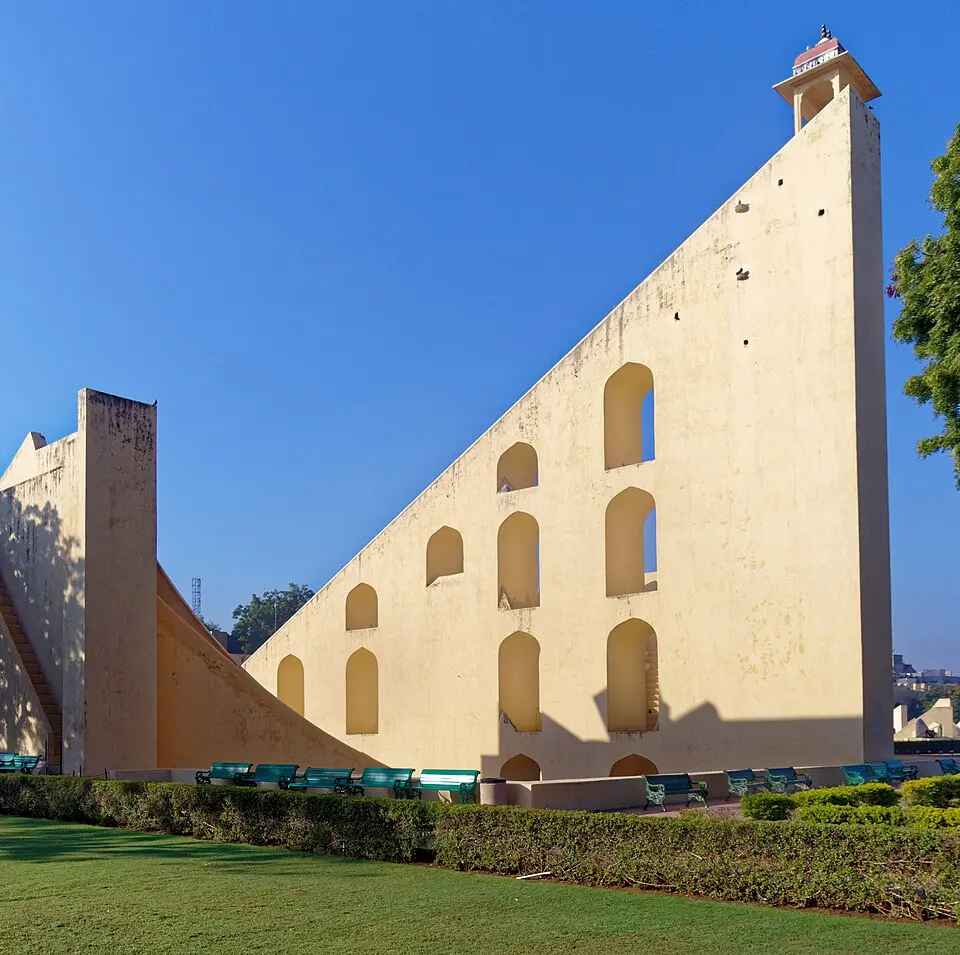
- Astronomy. Aryabhata held that the Earth rotates on its axis and explained eclipses by the shadows of the Earth and Moon. In the eighteenth century Sawai Jai Singh II built the Jantar Mantar observatories at Delhi, Jaipur, Ujjain, Varanasi and Mathura; the Jaipur one is a World Heritage Site.
- Medicine and surgery. The Charaka Samhita set out diagnosis, diet and the causes of disease, and the Sushruta Samhita described surgical methods, including the reconstruction of the nose and the couching of cataracts, with a large set of instruments.
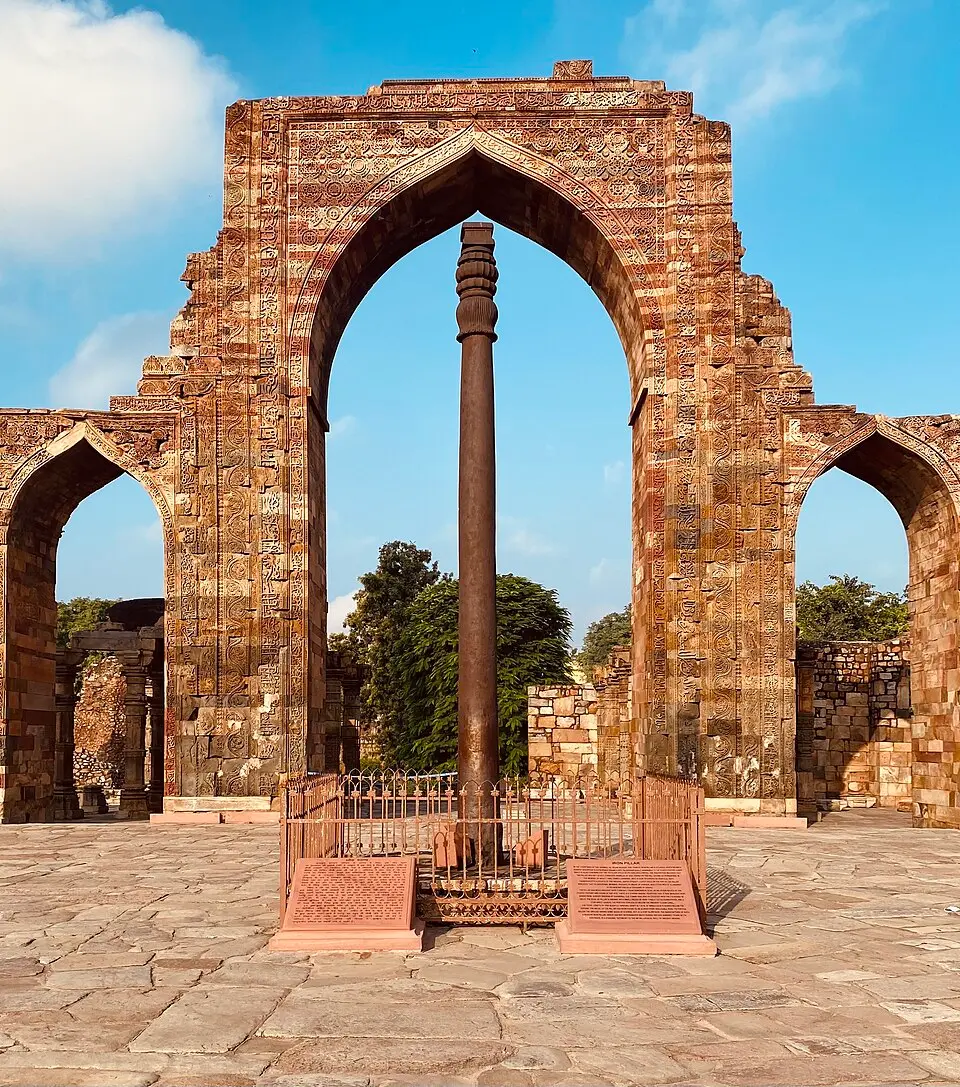
- Metallurgy and engineering. The iron pillar at Delhi, about sixteen centuries old, has resisted rust because of its phosphorus rich iron and a protective surface film; wootz steel from south India was prized across West Asia; and the iron cased rockets of Mysore under Hyder Ali and Tipu Sultan influenced the Congreve rockets the British later developed.


Science under colonial rule
- J C Bose produced and detected radio waves of millimetre wavelength in 1895 and built sensitive instruments, such as the crescograph, to study responses in plants; he founded the Bose Institute in 1917.
- P C Ray founded Bengal Chemicals in 1901, the first Indian pharmaceutical company, and wrote a history of Hindu chemistry.
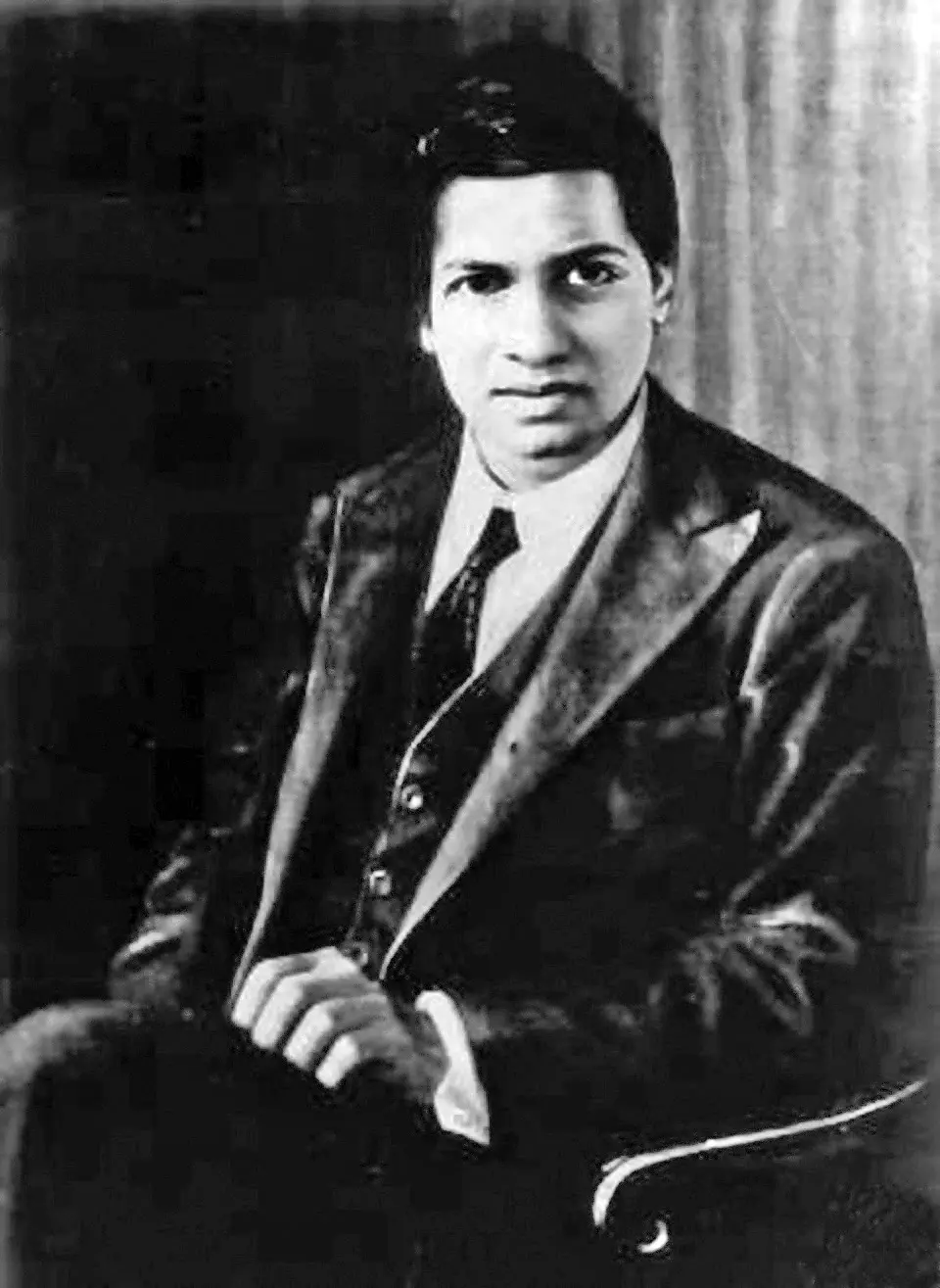
- Srinivasa Ramanujan, largely self taught, produced results on partitions, continued fractions and series for pi that mathematicians are still proving; he was elected a Fellow of the Royal Society in 1918.
- Meghnad Saha derived his ionisation equation in 1920, which connects the temperature of a star to the lines in its spectrum and lets astronomers read a star's temperature from its light.
- S N Bose derived Planck's law in 1924 by treating light quanta as identical particles; Einstein extended the method, and the particles that obey Bose–Einstein statistics are called bosons after him.
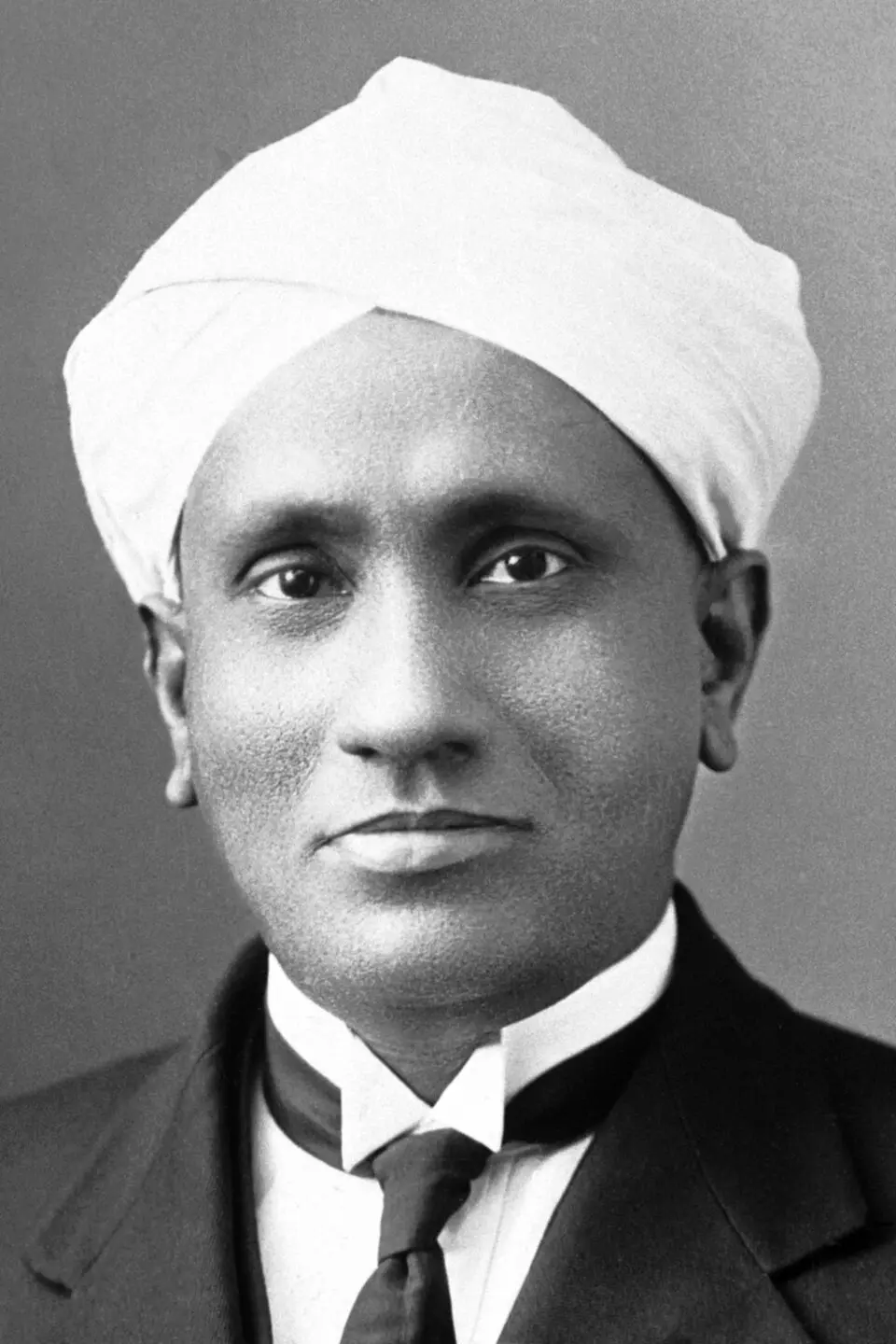
- C V Raman showed in 1928 that light scattered by molecules changes in frequency, and won the Nobel Prize in Physics in 1930; National Science Day, 28 February, marks the discovery.
- Others include Birbal Sahni in palaeobotany, U N Brahmachari, whose urea stibamine treated kala azar, M Visvesvaraya in dam and irrigation engineering, whose birthday is Engineers' Day, and Salim Ali in ornithology.


Dimensions
- Scientific. Indian results became permanent parts of physics, chemistry, mathematics and statistics, as the Raman effect, bosons, the Chandrasekhar limit, the Ramachandran plot and the Cramér–Rao bound show.
- Institutional. The most lasting achievement of the twentieth century was the building of institutions, from the Indian Statistical Institute to the Indian Space Research Organisation (ISRO), which outlived their founders and kept producing results.
- Developmental. Science in India was tied to national needs: high yield crops ended dependence on food aid, dairy cooperatives made India the largest milk producer, and satellites brought weather warnings and television to villages.
- Social and constitutional. Article 51A(h) asks every citizen to develop scientific temper and the spirit of inquiry, and the lives of scientists who worked with little support carry that message to students.
- Gender. Women such as Janaki Ammal, Asima Chatterjee and Anna Mani succeeded against heavy odds, and their under recognition is part of the story of Indian science.
In practice
The builders of independent India
- Homi Bhabha founded the Tata Institute of Fundamental Research in 1945 and led the Atomic Energy Commission from 1948, designing the three stage nuclear programme around India's thorium.
- Vikram Sarabhai founded the Physical Research Laboratory in 1947, set up the Indian National Committee for Space Research in 1962 and launched the first sounding rocket from Thumba in 1963, which led to ISRO in 1969.
- Satish Dhawan, as ISRO chairman from 1972 to 1984, built its project culture and its plans for communication and remote sensing satellites.
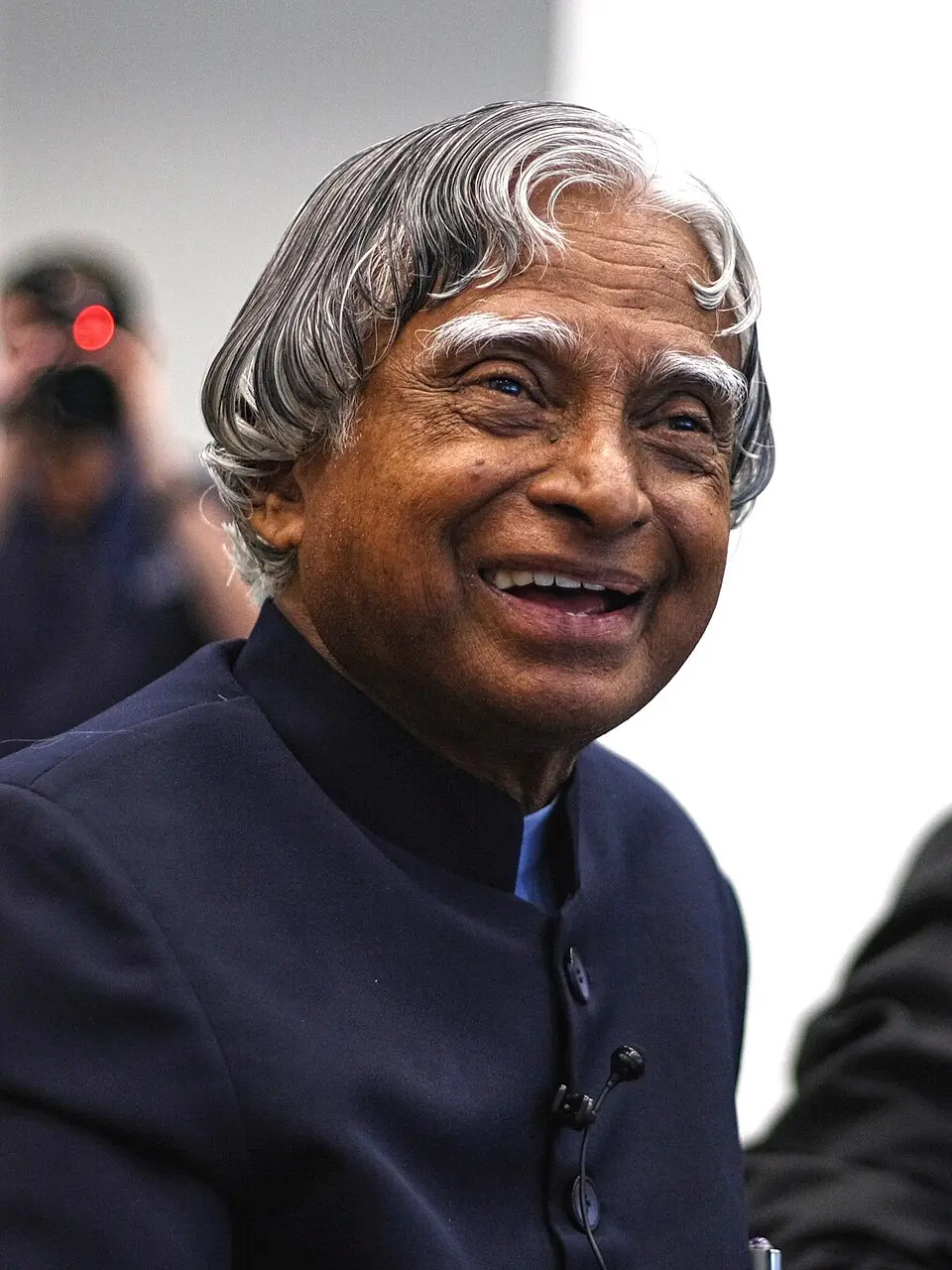
- A P J Abdul Kalam led the SLV-3 project that put Rohini in orbit in 1980, then led the Integrated Guided Missile Development Programme from 1983, and became President in 2002.
- M S Swaminathan brought high yield wheat to Indian farms in the mid 1960s, leading the Green Revolution, and received the first World Food Prize in 1987; Verghese Kurien built the cooperative dairy model behind Operation Flood (1970).
- P C Mahalanobis founded the Indian Statistical Institute (1931) and the National Sample Survey (1950), and his model shaped the Second Five Year Plan.

Recognition and present day science
- Nobel Prizes. Raman (1930) is the only Indian citizen to win a science Nobel; scientists born in India who won as citizens of other countries are Har Gobind Khorana (medicine, 1968, for reading the genetic code), S Chandrasekhar (physics, 1983, for the limiting mass of white dwarfs) and Venkatraman Ramakrishnan (chemistry, 2009, for the structure of the ribosome).
- Other honours. C N R Rao, a solid state chemist, received the Bharat Ratna in 2014; Gagandeep Kang, whose work led to the Rotavac rotavirus vaccine, became the first Indian woman elected a Fellow of the Royal Society in 2019; and C R Rao received the International Prize in Statistics in 2023.
- Team achievements. The landing of Chandrayaan-3 near the lunar south pole in August 2023 and the development of Covaxin show that big results now come from teams and institutions rather than lone figures, and India's national awards were reorganised in 2023 as the Rashtriya Vigyan Puraskar, with a separate award for teams.
- Human spaceflight. Rakesh Sharma became the first Indian in space in 1984, and Group Captain Shubhanshu Shukla became the first Indian to visit the International Space Station in 2025, as preparation for Gaganyaan.
Issues and way forward
- Mixing history with myth. Claims that ancient India had aircraft or genetic engineering, made without evidence, damage the real record, which is strong enough on its own; history of science should rest on texts, dates and peer review, as the Indian National Science Academy's history volumes do.
- Few world class discoveries since independence. Much talent went into mission work or abroad, and basic research received less money; steady funding for basic science and freedom for researchers are what produced the colonial era discoveries even with poor equipment.
- Brain drain. Several of India's most honoured scientists did their prize work abroad; competitive salaries, research funding and fellowships that bring researchers back are the answer.
- Under recognition of women and teams. Prizes long went to individual men, which the 2023 team award and schemes for women scientists begin to correct.
- Weak popular science. Few Indian languages have good science writing; translation, museums and science communication in regional languages spread scientific temper.
Common confusions
- J C Bose and S N Bose. Jagadish Chandra Bose worked on radio waves and plant physiology around 1900, while Satyendra Nath Bose worked on quantum statistics in 1924; bosons are named after S N Bose.
- Saha and Raman. Saha's equation is about ionisation in hot gases such as stars, while the Raman effect is about the change in frequency of light scattered by molecules.
- Indian citizen and Indian born Nobel laureates. Only Raman won as an Indian citizen in the sciences; Khorana, Chandrasekhar and Ramakrishnan were born in India but won as citizens of other countries.
- Aryabhata the mathematician and Aryabhata the satellite. The satellite of 1975, India's first, was named after the fifth century scholar.
- National Science Day and National Technology Day. Science Day, 28 February, marks the Raman effect, while Technology Day, 11 May, marks the Pokhran tests of 1998.
For the exam
- Keyword bank: place value system, Kerala school, Aryabhatiya, Sushruta Samhita, Raman effect, bosons, Saha ionisation equation, Chandrasekhar limit, Ramachandran plot, institution building, mission science, Green Revolution, scientific temper, Rashtriya Vigyan Puraskar, women in science.
- Previous year questions: Practise the previous year questions on this topic →
- Use in an answer:
- Introduction with data: C V Raman remains the only Indian citizen to win a science Nobel Prize, yet India today is among the three largest producers of scientific papers in the world, a change that came from institutions rather than individuals.
- Introduction with a source: Article 51A(h) makes it a fundamental duty of every citizen to develop scientific temper, humanism and the spirit of inquiry and reform, and India's scientists are the clearest models of that duty.
- Conclusion: From the decimal system to Chandrayaan-3, Indian achievement has peaked when ideas met institutions, so the lesson for policy is to fund people and places patiently.
- Conclusion: Honouring this record means telling it accurately, with dates and evidence, because the real history needs no exaggeration.