

First Principles IAS · Current affairs
Everything filed · Culture › Art and culture in news › Heritage sites and UNESCO listings
Printed on · firstprinciplesias.com/current-affairs
Culture › Art and culture in news
हिन्दी — Read in HindiHeritage sites and UNESCO listings
World Heritage Sites and India's tentative list, monuments of national importance, and the listings and protection that come with them.
Asked before
- Prelims 2026: Which of the following temples has/have a Nagara-style shikhara? 1. Malegitti Shivalaya, Badami 2. Huchimalligudi Temple, Aihole 3. Dasha…
- Prelims 2026: Which one of the following statements with regard to the Moidams, built by the Tai-Ahom kingdom and inscribed as a World Heritage Site by…
- Mains 2026 GS1: Vijayanagara architecture exemplifies the amalgamation of past traditions with contemporary practices. Elucidate with examples.
- Mains 2025 GS1: Discuss the salient features of the Harappan architecture.
- Prelims 2024: Consider the following properties included in the World Heritage List released by UNESCO: 1. Shantiniketan 2. Rani-ki-Vav 3. Sacred Ensem…
- Prelims 2023: With reference to ancient India, consider the following statements: 1. The concept of Stupa is Buddhist in origin. 2. Stupa was generally…
- Prelims 2023: Consider the following pairs: 1. Besnagar - Shaivite cave shrine 2. Bhaja - Buddhist cave shrine 3. Sittanavasal - Jain cave shrine. How…
- Prelims 2022: The Prime Minister recently inaugurated the new Circuit House near Somnath Temple at Veraval. Which of the following statements are corre…
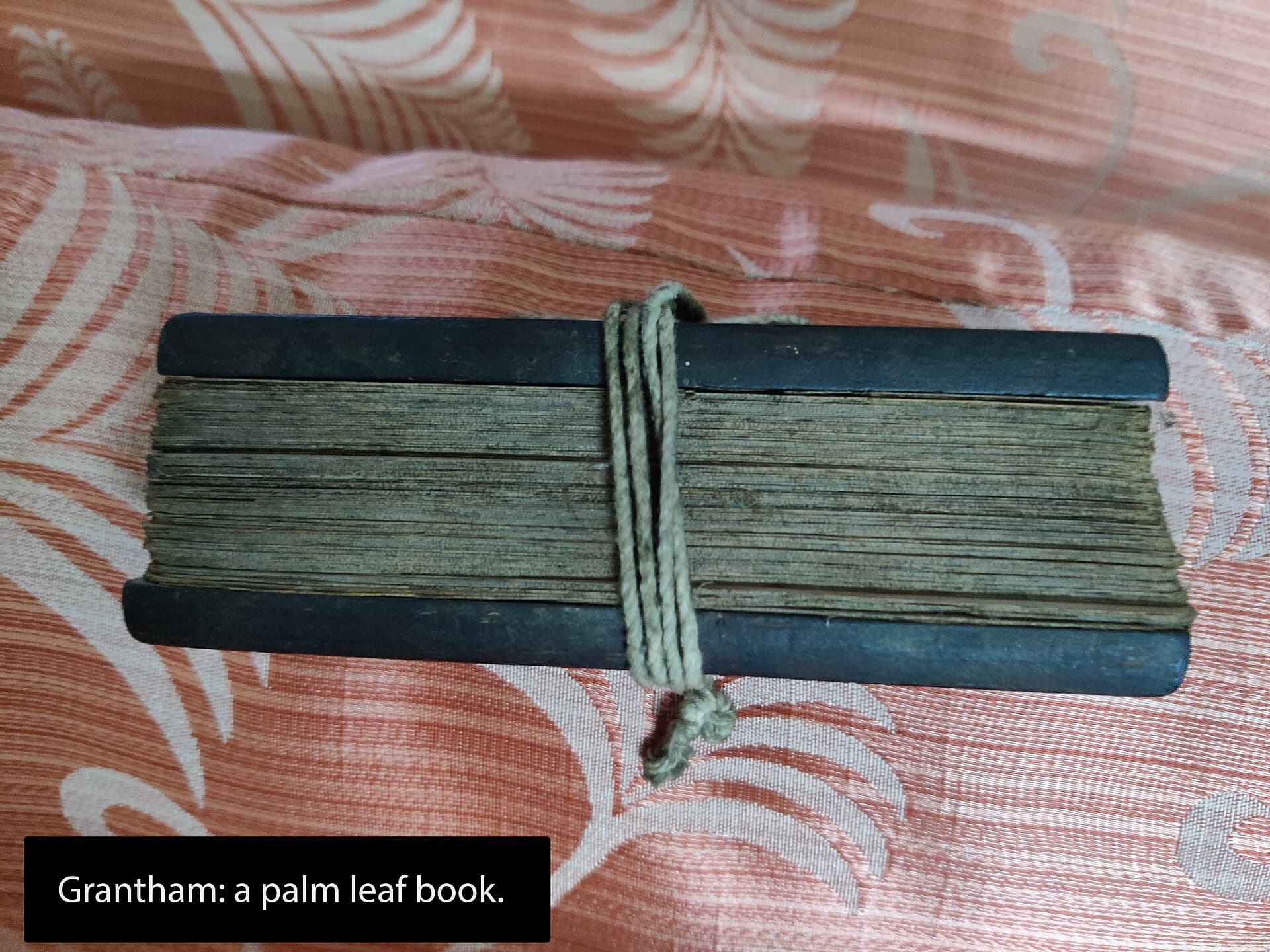
Gyan Bharatam Mission: a parliamentary panel on the pace of manuscript digitisation
Copy link to Gyan Bharatam Mission: a parliamentary panel on the pace of manuscript digitisationBriefPrelims12 Aug 2026
- On 12 August 2026 the Standing Committee on Transport, Tourism and Culture reported on the Gyan Bharatam Mission, the Culture Ministry's programme to survey, conserve and digitise India's manuscripts, announced in the Budget of 2025-26 with ₹491.66 crore for 2025 to 2031 and a target of one crore manuscripts.
- A national survey of March to June 2026 recorded 2.25 crore manuscripts; 1.16 crore are verified on the national database. About 8 lakh have been digitised and 3.9 lakh uploaded; only about 250 are fully transcribed and machine readable.
- The pace, about 33,000 a month, is far below the 1.5 lakh a month needed for the interim target of 20 lakh by March 2027; the panel wants scanning replaced by a full capture standard, a citizen transcription platform and open datasets.
- The Mission succeeds the National Mission for Manuscripts of 2003, run through the Indira Gandhi National Centre for the Arts.
Exam lens: Gyan Bharatam Mission, Ministry of Culture, Budget 2025-26, one crore manuscripts; National Mission for Manuscripts 2003 under the IGNCA; the survey count of 2.25 crore.
Sources
- ThePrint, 14 August 2026, “Gyan Bharatam needs tech overhaul, scanning manuscripts not enough, says committee report”
- The Week, 12 August 2026, “India's manuscript mission needs a faster pace, says parliamentary panel”
- PMIndia, 12 September 2025
Settled facts (dates of Acts, constitutional provisions, standing definitions) are from standard references.
Five new entries on India's UNESCO tentative list
Copy link to Five new entries on India's UNESCO tentative listBriefPrelims30 Sep 2026
- On 30 September 2026 five Indian entries were added to UNESCO's tentative list, taking India's count to 78.
- A property must sit on a State party's tentative list before it can be nominated for the World Heritage List under the 1972 Convention; inscription requires outstanding universal value under at least one of ten criteria.
- India has 45 World Heritage Sites, the latest Sarnath, inscribed at the 48th session of the World Heritage Committee in July 2026.
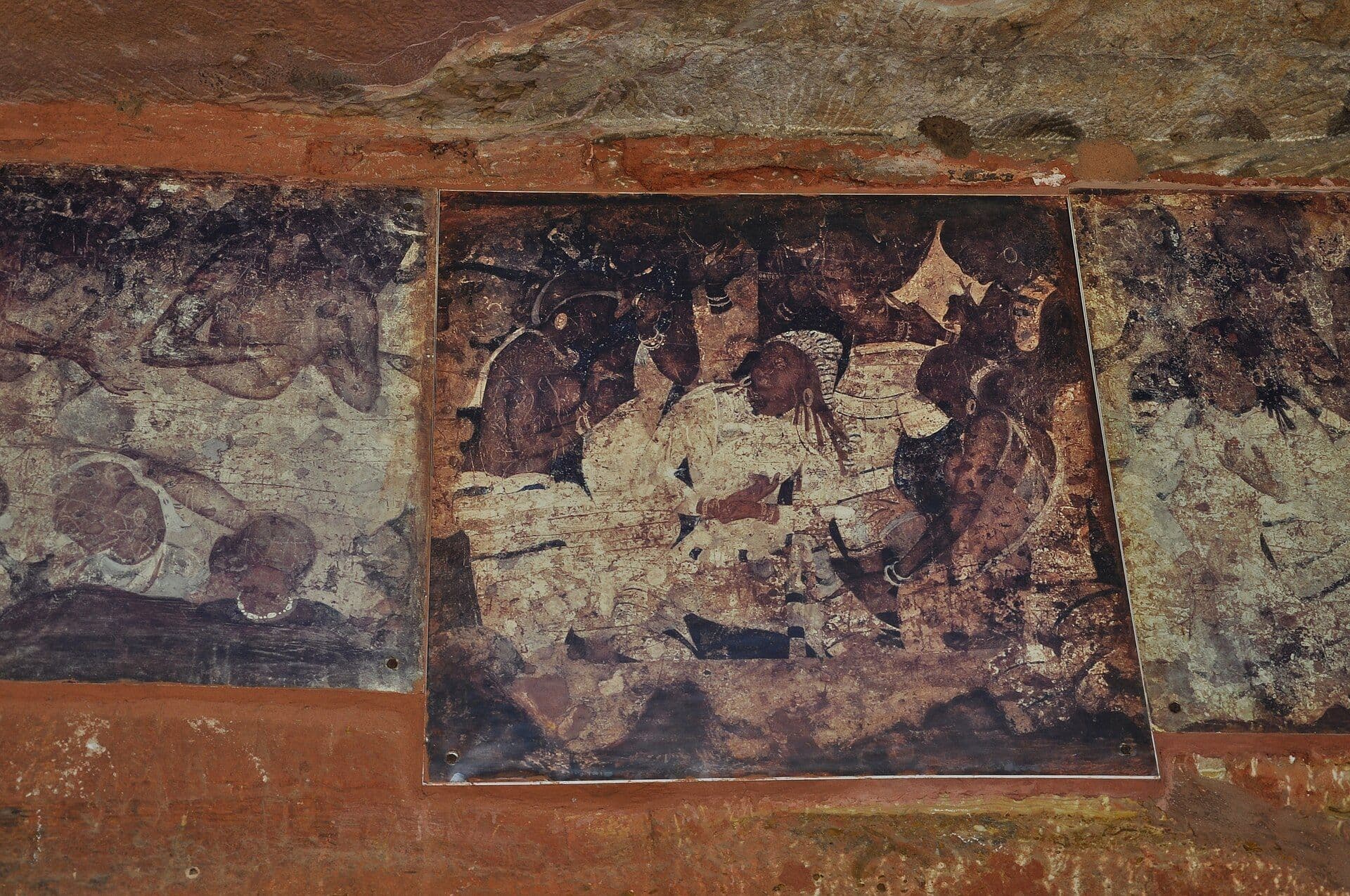
- Bagh cave paintings, Dhar district, Madhya Pradesh: nine rock cut Buddhist caves of the 4th to 6th centuries with murals of the Ajanta tradition.
- Udayagiri caves, Vidisha, Madhya Pradesh: twenty rock cut caves of the late 4th to early 5th centuries under Gupta patronage, with sculpture and inscriptions.
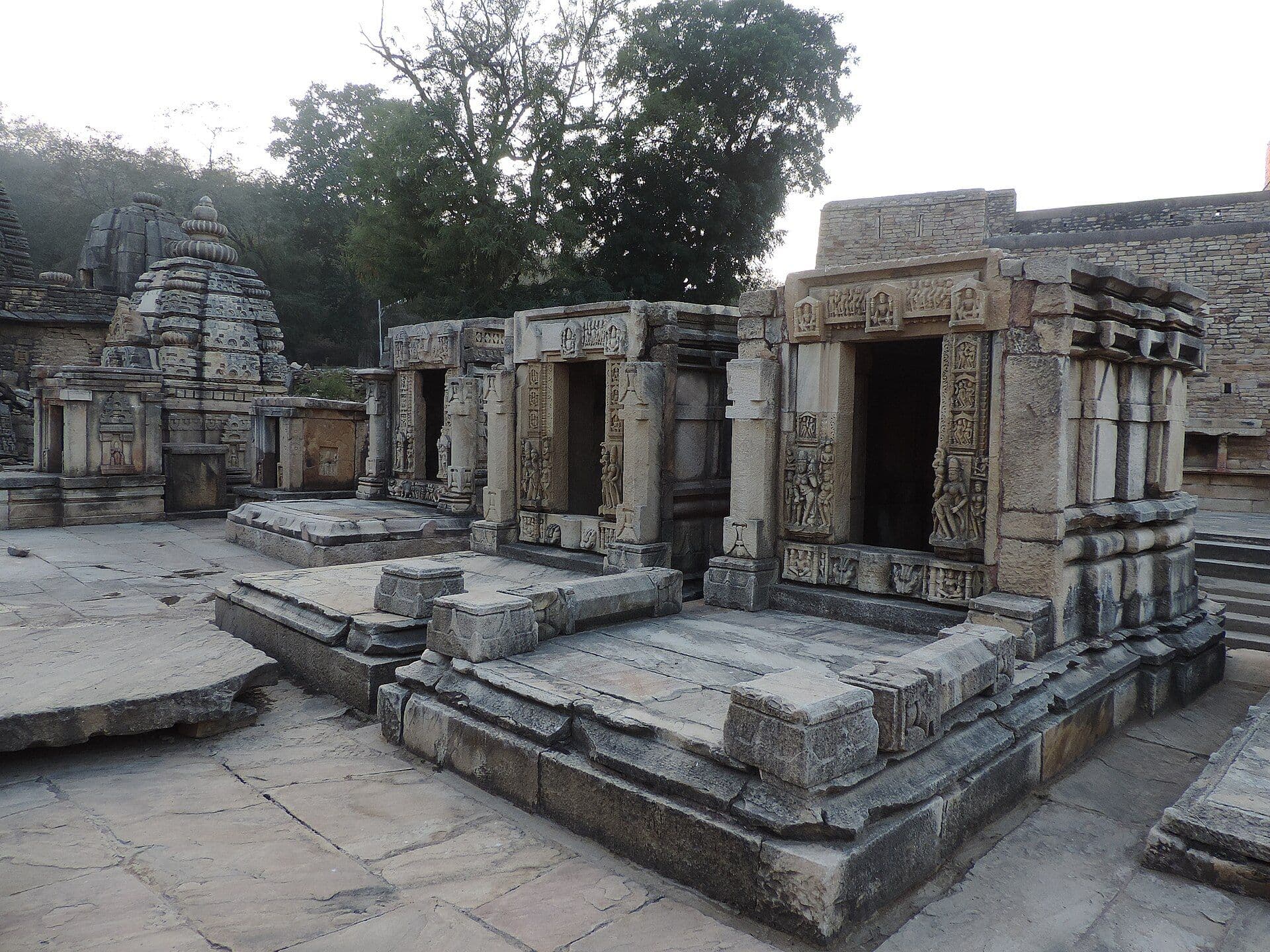
- Group of temples of the Chambal valley, Morena, Madhya Pradesh: Bateshwar, Padavali and Kakarmath, Nagara temples of the 8th to 11th centuries under the Gurjara Pratiharas and Kachchhapaghatas.
- Ginnorgarh fort, Madhya Pradesh: a hill fort and palace of the Gond rulers of Garha, 16th to 18th centuries.
- Sites of Satyagraha: a serial transnational nomination with South Africa, nine components, two in South Africa from Gandhi's years there (1893 to 1914) and seven in India.
Exam lens: tentative list 78 entries; World Heritage Sites 45, Sarnath the 45th; four of the five new entries in Madhya Pradesh; Satyagraha as a transnational serial nomination; the tentative list as the prerequisite for nomination.
Sources
- Manorama Yearbook, 30 September 2026, “5 new Indian sites added to UNESCO Tentative List”
- VIF, 13 October 2026, “Culture and Civilisational Digest, September 2026”
- DD News
- UNESCO
Settled facts (dates of Acts, constitutional provisions, standing definitions) are from standard references.
Gollala Gudi, the Rameswaram backdrop and a Russian Thirukkural
Copy link to Gollala Gudi, the Rameswaram backdrop and a Russian ThirukkuralBriefPrelims12 Sep 2026
- Gollala Gudi, Palampet, Mulugu district, Telangana: the Archaeological Survey of India notified this Kakatiya temple of the 12th to 13th centuries as a Monument of National Importance under the Ancient Monuments and Archaeological Sites and Remains Act, 1958 (gazette of 31 August 2026). It is a trikutalaya, three sanctums round an east facing pillared hall, with a Shiva linga in the centre, rows of carved hamsa on the doorways, and two detached shrines with dvarapalas in front. It stands south west of the Ramappa temple, a World Heritage Site since 2021.
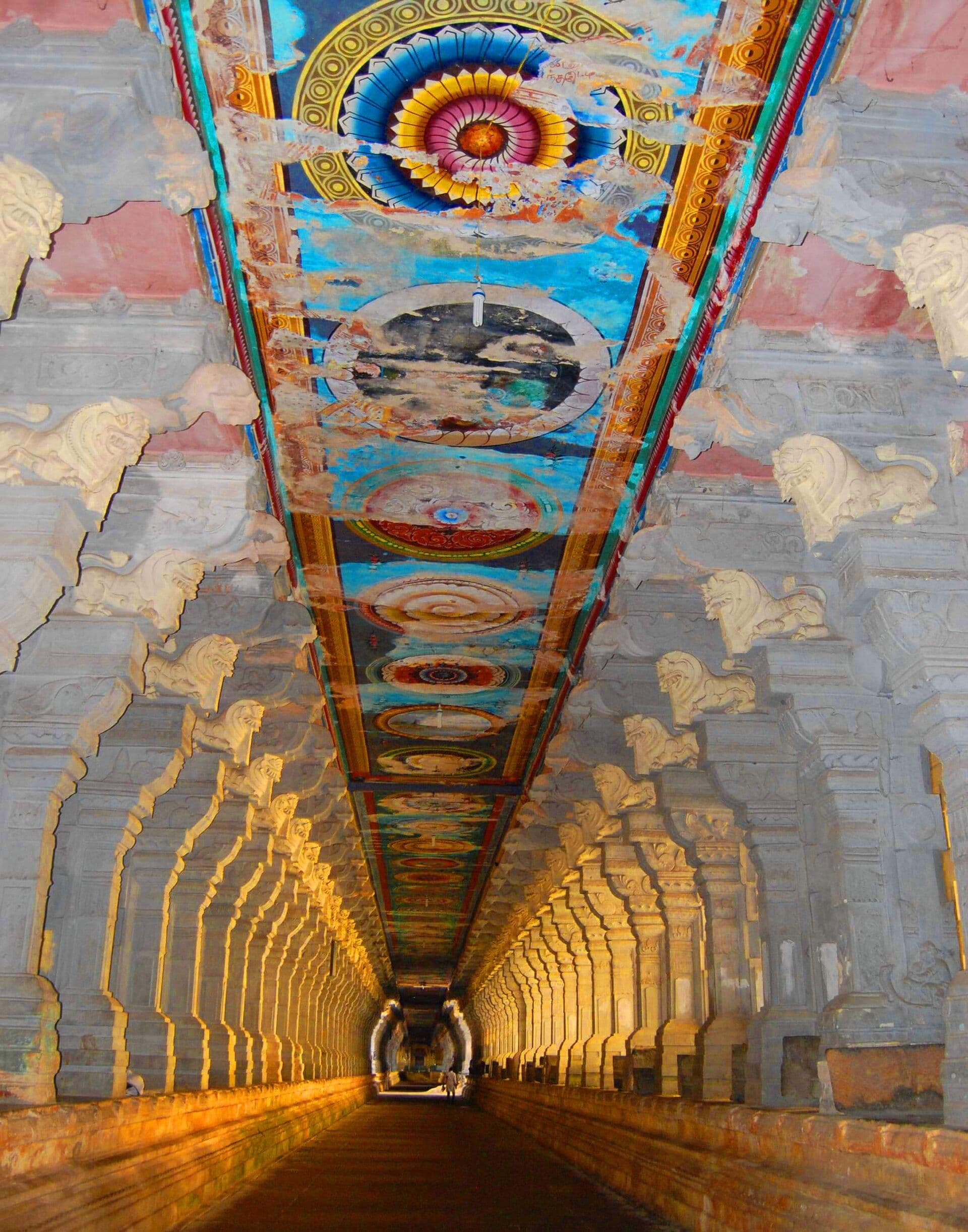
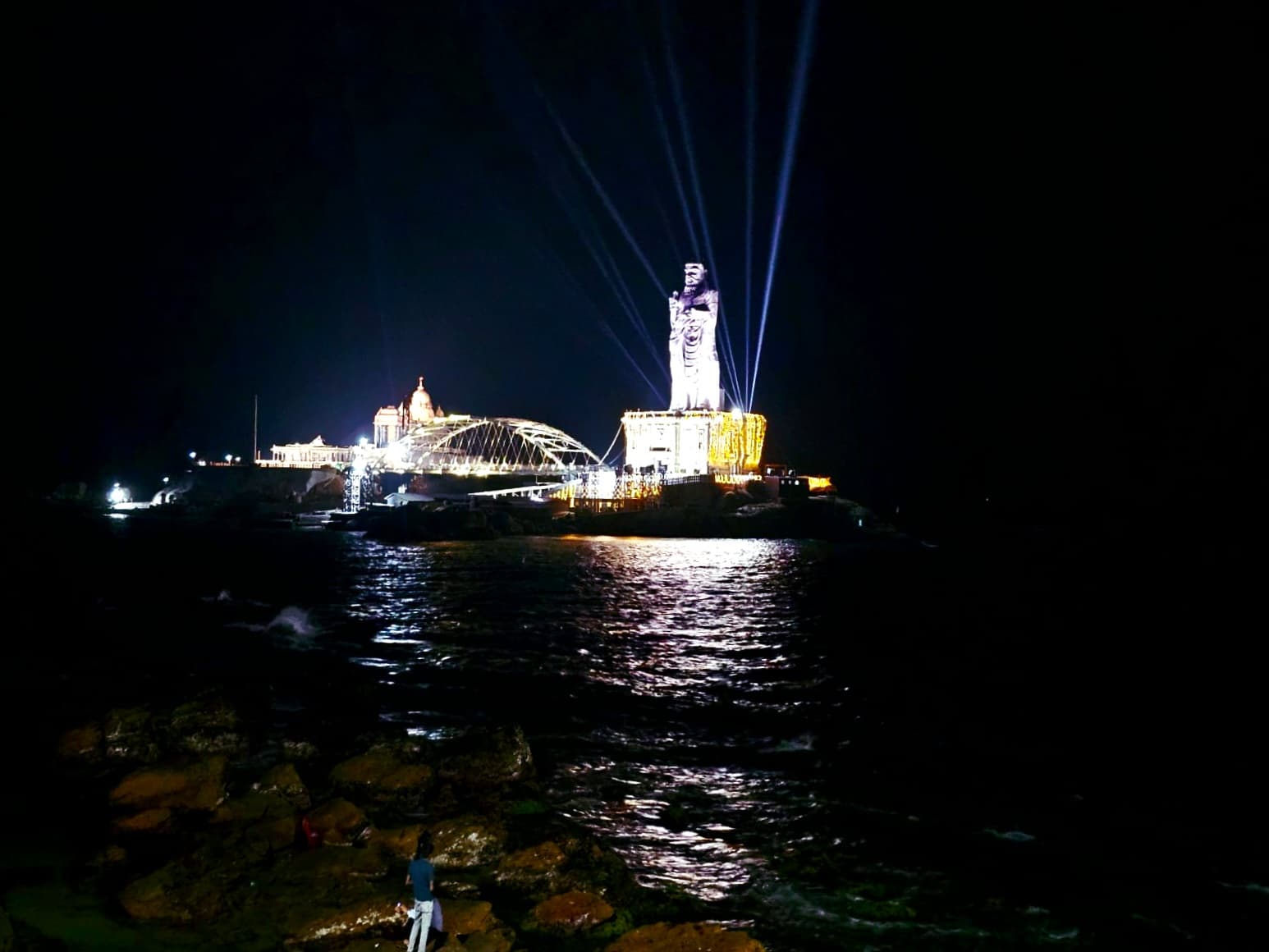
- Ramanathaswamy temple, Rameswaram: the backdrop against which the Prime Minister received the BRICS leaders at Bharat Mandapam on 12 September showed the pillars of the temple's third corridor. The temple on Pamban island is one of the twelve Jyotirlingas and is tied to the Ramayana.
- Thirukkural: the Prime Minister gave the Russian President a Russian edition. Thiruvalluvar's work has 1,330 couplets in three books, on virtue, wealth and love.
Exam lens: Gollala Gudi, Kakatiya, trikuta plan, Mulugu district, near Ramappa; Monument of National Importance under the 1958 Act, with a 100 metre prohibited and 200 metre regulated area; Ramanathaswamy a Jyotirlinga; Thirukkural 1,330 couplets.
Sources
- ThePrint/PTI, 2 September 2026
- News on AIR, 2 September 2026
- DD India, 12 September 2026
- ETV Bharat Tamil, 12 September 2026
Settled facts (dates of Acts, constitutional provisions, standing definitions) are from standard references.
Sarnath on the World Heritage List
Copy link to Sarnath on the World Heritage ListBriefPrelims25 Jul 2026
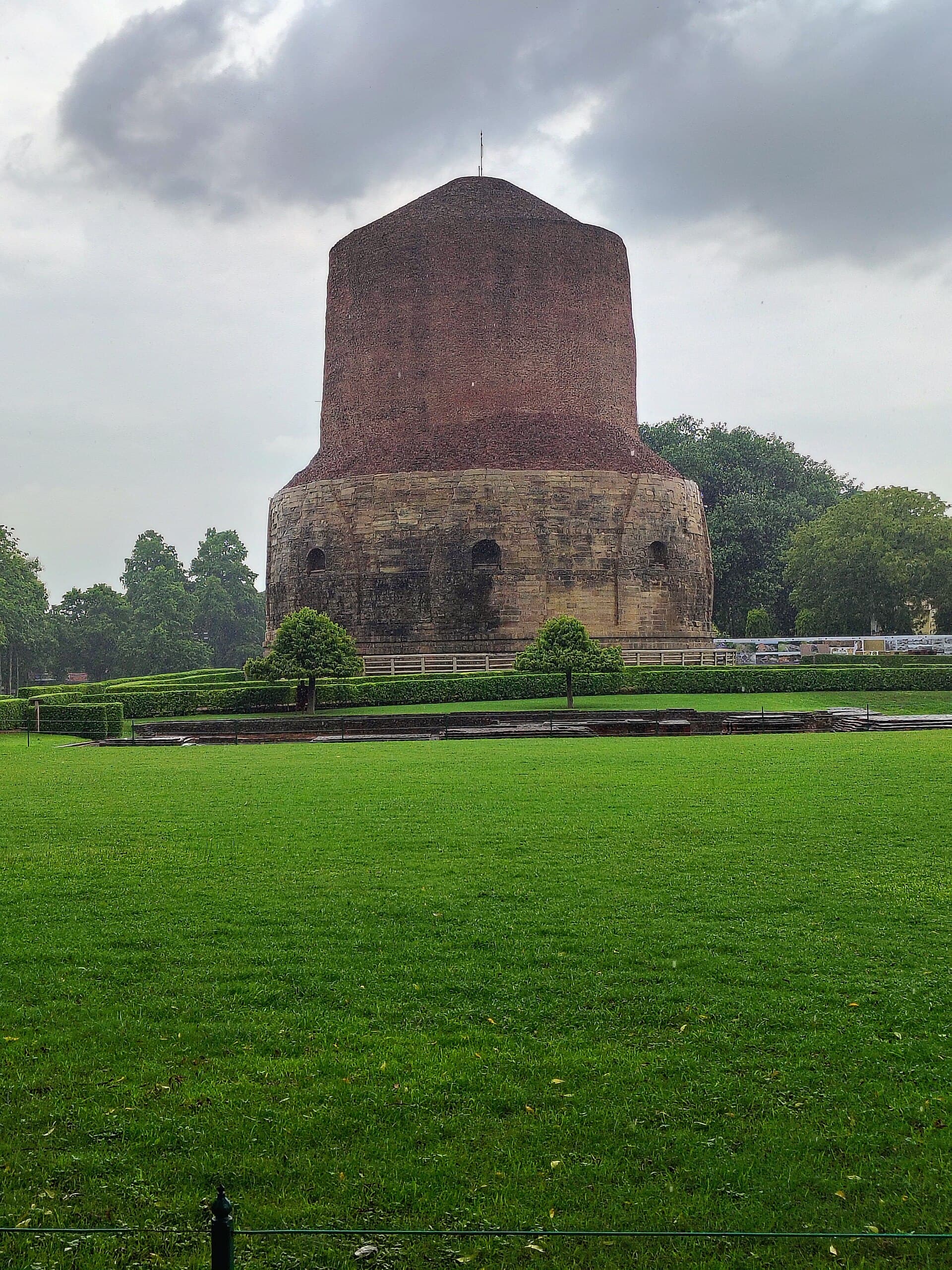
- On 25 July 2026 the World Heritage Committee, at its 48th session in Busan, inscribed the Ancient Buddhist Site of Sarnath, near Varanasi, on the World Heritage List, India's 45th property and the one Indian inscription of the year.
- The property has two components: the Chaukhandi Stupa, and the archaeological remains of Sarnath, which hold the Dhamek Stupa, the Dharmarajika Stupa, the Mulagandhakuti Vihara and the Ashokan pillar whose lion capital is the national emblem.
- It was inscribed under criteria (iii), for its standing as one of the four principal Buddhist pilgrimage sites, and (vi), for its association with the Buddha's first sermon and his first disciples after the enlightenment at Bodh Gaya.
- Sarnath entered India's Tentative List in 1998; the dossier went in January 2025 and passed an eighteen month evaluation, with a mission by ICOMOS, the advisory body for cultural sites.
- India now has 37 cultural, 7 natural and 1 mixed property, sixth in the world and second in the Asia Pacific; its Tentative List has 69 entries. Three of the four great pilgrimage sites, Lumbini, Bodh Gaya and Sarnath, are now on the List; Kushinagar is not.
Exam lens: 45th site; 48th session, Busan; criteria (iii) and (vi); Tentative List since 1998; ICOMOS evaluates cultural sites, IUCN natural ones; 37 cultural, 7 natural, 1 mixed.
Sources
- PIB, 26 August 2026, “Ancient Buddhist Site of Sarnath”
Settled facts (dates of Acts, constitutional provisions, standing definitions) are from standard references.