Heritage conservation in India
- Syllabus
- Indian culture will cover the salient aspects of Art Forms, Literature and Architecture from ancient to modern times.
- As of
- October 2026
- Archaeological Survey of India
- AMASR Act
- prohibited area
- regulated area
- National Monuments Authority
- Antiquities and Art Treasures Act
- repatriation
- World Heritage Sites
- intangible cultural heritage
- Adopt a Heritage
- Monument Mitra
- digital documentation
- Gyan Bharatam Mission
- Taj Trapezium Zone
The first principle
Heritage is a non renewable resource: a stolen bronze, a broken frieze or a craft whose last master has died cannot be made again. Its value is shared by everyone, but the costs of protecting it fall on a few, and the gains from destroying it (land for building, a sale abroad, a cheaper factory fuel) go to a few as well. That gap between public value and private incentive is why heritage needs law, institutions and community ownership, and why the work has become urgent as cities, markets and the climate press harder on it.
The core
Why safeguarding heritage is urgent
- Theft and illegal trade. Thousands of temples hold old images with little security, while a global art market pays high prices for them. The case of the dealer Subhash Kapoor, whose network smuggled idols from Tamil Nadu temples to museums abroad and who was convicted by a court in Tamil Nadu in 2022, shows how organised this trade can be.
- Encroachment. Urban growth swallows smaller monuments, especially in old cities like Delhi, where tombs sit among houses and shops.
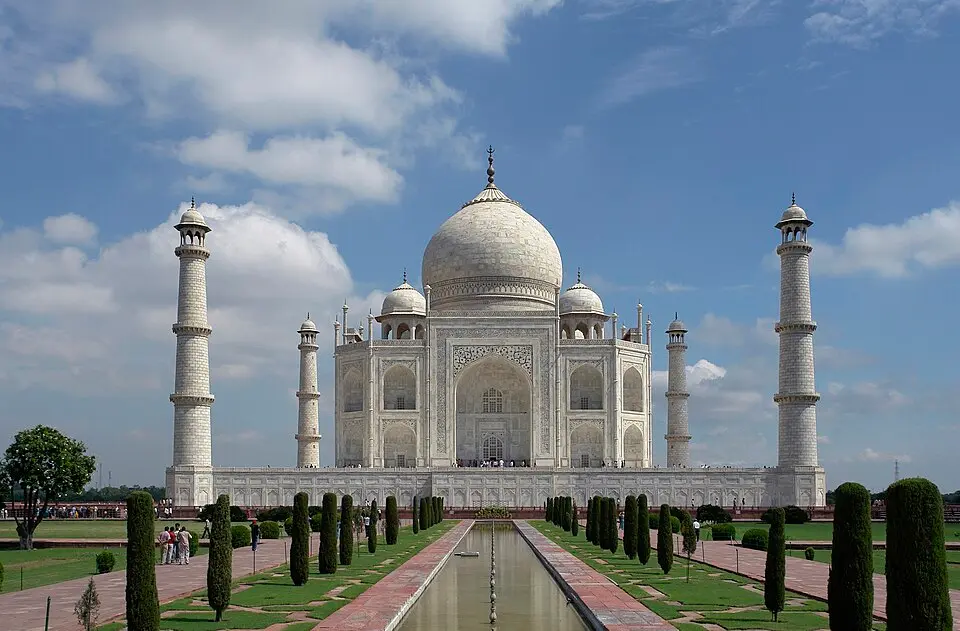
- Pollution. The Taj Mahal's marble turns yellow and brown from soot, dust and fine particles; a 2015 study by Indian and American scientists traced the discolouration to black carbon, brown carbon and dust.

- Climate. Heavier rain, floods, salt and heat weaken stone, brick and wall paintings, and coastal sites face rising seas.
- Neglect of lesser monuments. Staff and funds go to famous ticketed sites while village temples, stepwells and baolis decay.
- Vanishing crafts and intangible heritage. Pattachitra painters, bronze casters and folk performers earn little, so young people leave the craft.
- Poor documentation. An object that was never photographed or listed cannot be traced when it is stolen, or claimed when it appears in an auction abroad.
Institutions and laws
- The constitutional base. Article 49 directs the state to protect monuments and objects of national importance, and Article 51A(f) makes it a duty of every citizen to value and preserve the country's composite culture.
- Archaeological Survey of India (ASI), 1861. Founded with Alexander Cunningham as its first director, it now works under the Ministry of Culture and protects over 3,600 monuments of national importance.
- Ancient Monuments and Archaeological Sites and Remains (AMASR) Act, 1958. It allows the Union to declare monuments of national importance and regulate work on them. The 2010 amendment created a prohibited area of 100 metres around each monument, where new building is barred, and a regulated area of a further 200 metres, where building needs permission. It also set up the National Monuments Authority (NMA) to grade monuments and approve heritage bye laws.
- Antiquities and Art Treasures Act, 1972 (Ministry of Culture). Objects over 100 years old are antiquities; they must be registered, may be traded only under licence, and cannot be exported except by the government.
- National Mission on Monuments and Antiquities (NMMA), 2007. It aims to build a national database of built heritage and antiquities.
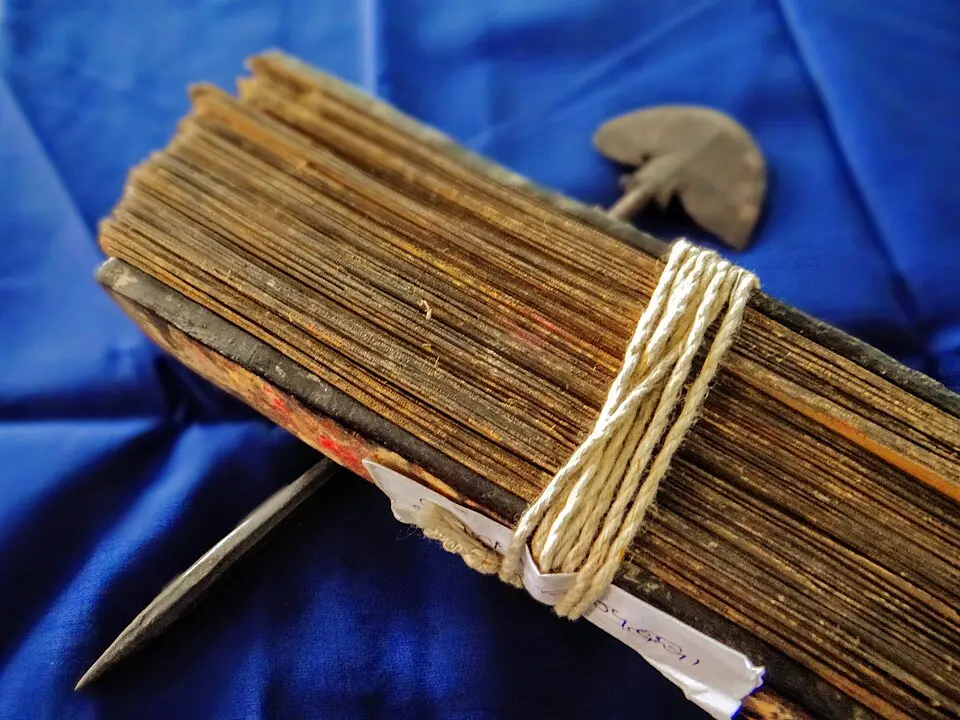
- National Mission for Manuscripts (NMM), 2003. It surveys and digitises manuscripts and maintains Kriti Sampada, a national database of manuscripts. The Gyan Bharatam Mission, announced in the Union Budget 2025 to 2026 under the Ministry of Culture, aims to survey, document and conserve over one crore manuscripts.

- Adopt a Heritage, 2017 (Ministry of Tourism with the Ministry of Culture and ASI). Companies and institutions become Monument Mitras and fund visitor amenities such as toilets, lighting and signage.
Dimensions
- Cultural. Monuments and crafts carry memory and identity; losing them breaks a community's link with its past.
- Economic. Heritage supports tourism, guides and craft livelihoods, and Geographical Indication (GI) tags help artisans earn from their skill.
- Legal and diplomatic. Repatriation depends on proof of provenance and on cooperation with foreign governments.
- Environmental. Pollution control and climate adaptation now form part of conservation.
- Technological. Three dimensional laser scanning, drone surveys and digital archives record monuments and objects so they can be monitored, restored or identified if stolen.
In practice
India on the world lists
India has 44 UNESCO World Heritage Sites as of 2025: the Moidams of the Ahom kings at Charaideo in Assam became the 43rd in July 2024, at the 46th session of the World Heritage Committee hosted in New Delhi, and the Maratha Military Landscapes became the 44th in July 2025. On the Intangible Heritage list, India's elements include yoga (2016), the Kumbh Mela (2017), Durga Puja in Kolkata (2021), Garba of Gujarat (2023) and Deepavali (2025).


Bringing antiquities home
The Ministry of Culture has told Parliament that over 600 antiquities have been brought back since 2014, compared with only 13 between 1976 and 2013. Australia returned a Chola Nataraja bronze in 2014 and 29 antiquities in 2022, and the United States handed over 157 objects in 2021 and 297 in 2024. Repatriation succeeds where an object was documented before it was stolen, which is why the national database matters.
Cases
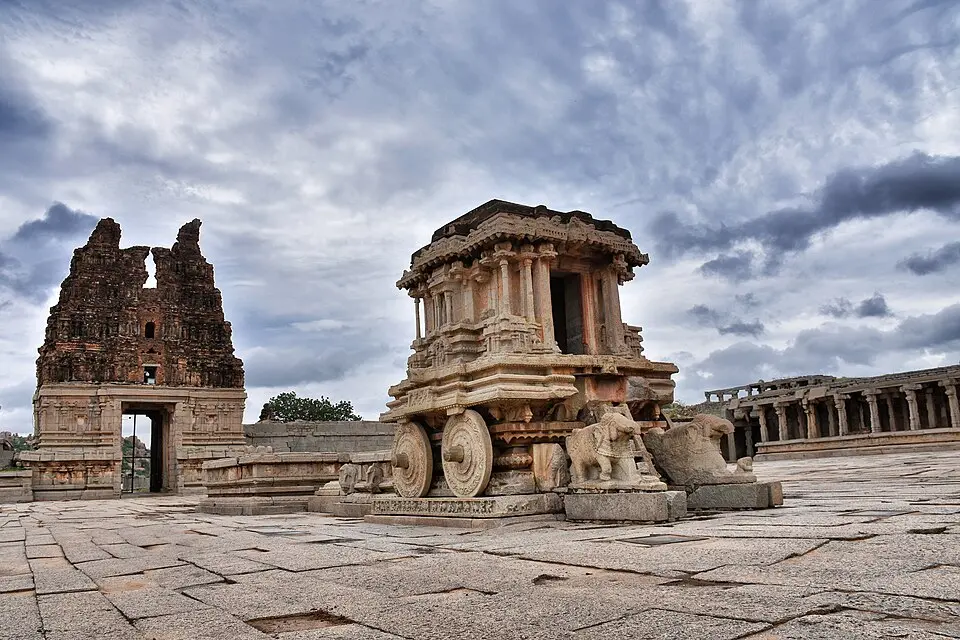
- Hampi. The ruins of Vijayanagara were placed on UNESCO's List of World Heritage in Danger in 1999 because of new road bridges and construction, and were removed in 2006 after the state regulated building.

- The Taj Mahal. In M C Mehta v Union of India (1996) the Supreme Court ordered industries in the Taj Trapezium Zone, about 10,400 square kilometres around the monument, to switch to natural gas or relocate.
- Humayun's tomb. A conservation project by the Aga Khan Trust for Culture with the ASI restored the tomb with traditional lime mortar and craftsmen, showing how public and private effort can work together.
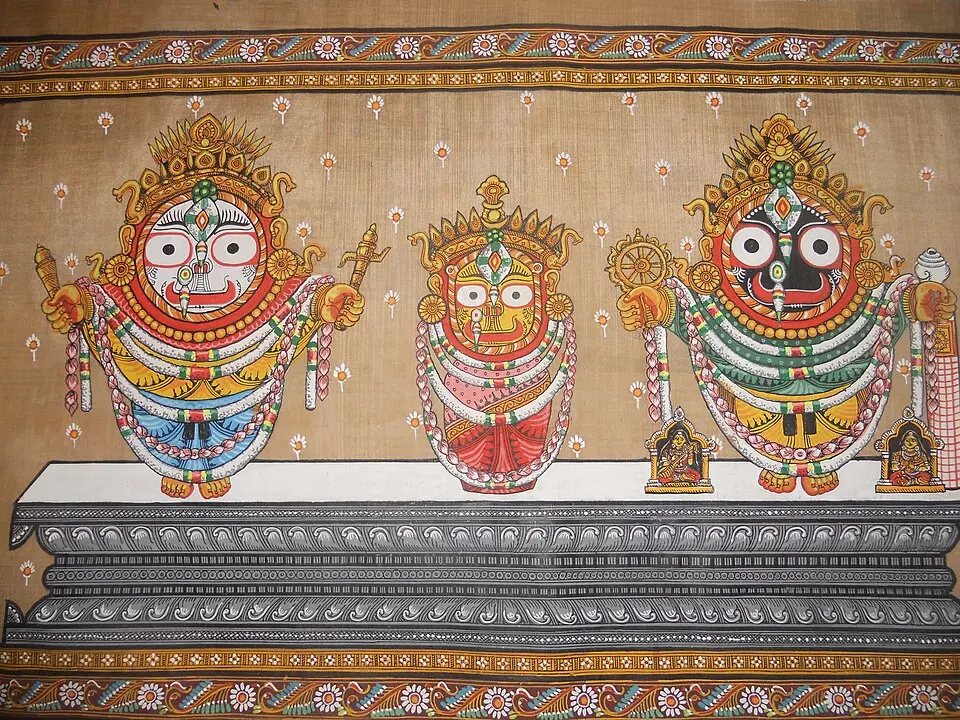
- Pattachitra of Raghurajpur. This painters' village in Odisha shows how a living craft survives when it earns from tourism and markets.

Issues and way forward
- Missing monuments and thin staff. The CAG reported in 2013 that 92 protected monuments could not be traced, because the ASI had no complete inventory and few staff. In 2022 a parliamentary standing committee on transport, tourism and culture found that only 248 protected monuments had security guards and recommended a full survey, more staff and a single national database.
- Encroachment. Bye laws for prohibited and regulated areas have been notified slowly; the NMA must finish them so that local bodies can enforce the 2010 amendment.
- Theft. Registration under the 1972 Act is low because owners fear losing control; simpler online registration and digital photographs of every temple image, as the NMMA intends, would make stolen objects traceable.
- Intangible heritage. Artisans need income, not just honours; GI tags, craft markets and the Ministry of Culture's scheme for safeguarding intangible cultural heritage (2013) should link practice to livelihood.
- Community role. Conservation works best when temple trusts, residents and local guides share both the duty and the benefit, as Adopt a Heritage intends.
Common confusions
- Prohibited and regulated areas. The prohibited area is the first 100 metres, where no new building is allowed; the regulated area is the next 200 metres, where building needs permission.
- Tangible and intangible heritage. Tangible heritage means monuments and objects; intangible heritage means living practices such as music, festivals and craft knowledge.
- Centrally and state protected monuments. The ASI protects monuments of national importance; state archaeology departments protect others under state laws.
For the exam
- Keyword bank: non renewable heritage, AMASR Act, prohibited and regulated areas, National Monuments Authority, Antiquities and Art Treasures Act, provenance, repatriation, Monument Mitra, Kriti Sampada, Gyan Bharatam Mission, World Heritage in Danger, intangible cultural heritage, Taj Trapezium Zone.
- Previous year questions: Practise the previous year questions on this topic →
- Use in an answer:
- Introduction (data): India brought back over 600 stolen antiquities between 2014 and 2024, against only 13 in the previous four decades, which shows both the scale of past theft and the value of documentation.
- Introduction (judgement, quote or report): The CAG's finding in 2013 that 92 protected monuments could not be traced shows that India's heritage is at risk not only from thieves but from poor record keeping.
- Conclusion: Safeguarding heritage needs a shift from guarding a few famous monuments to documenting, protecting and earning from the whole of India's built and living heritage.
- Conclusion: Article 51A(f) makes heritage every citizen's duty, so conservation will succeed only when communities see monuments and crafts as their own.
Photo credits
Photographs are from Wikimedia Commons; each photo links to its file page, which gives the photographer and licence.